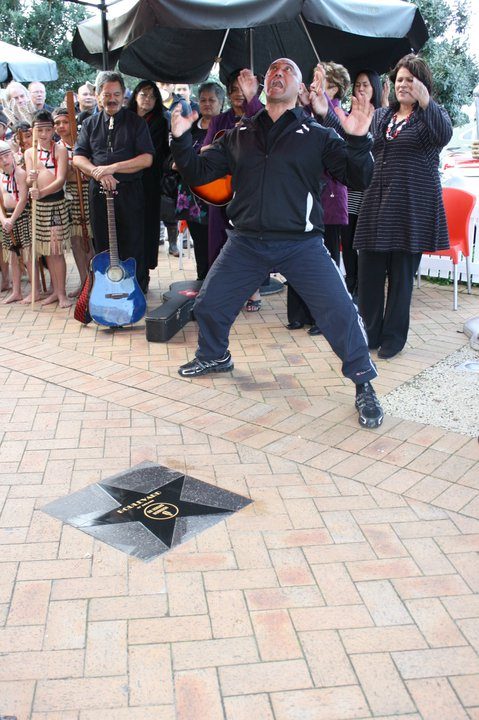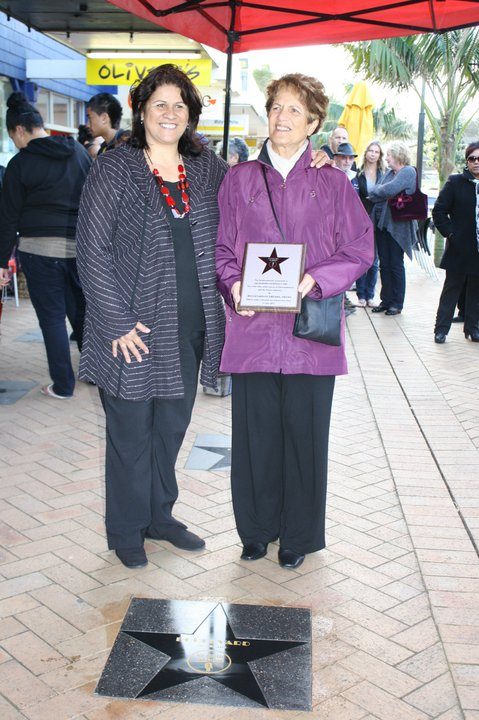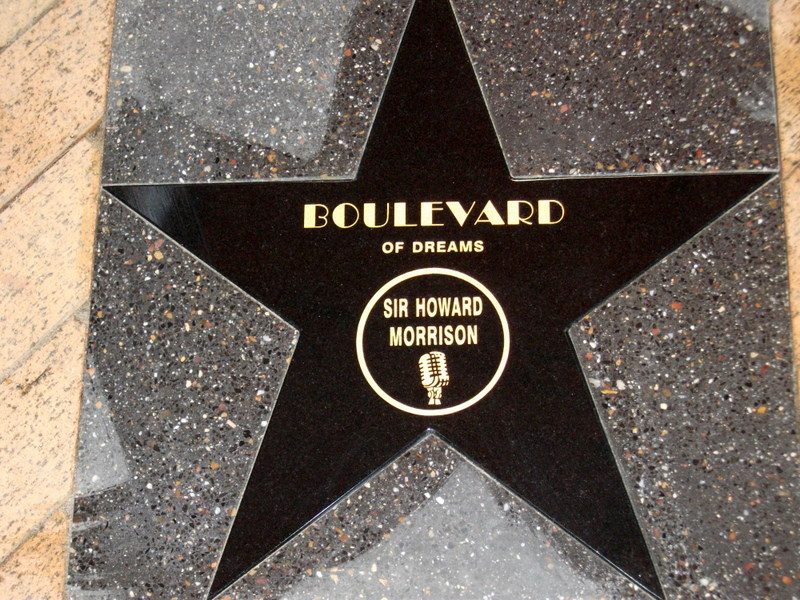
Star unveiled
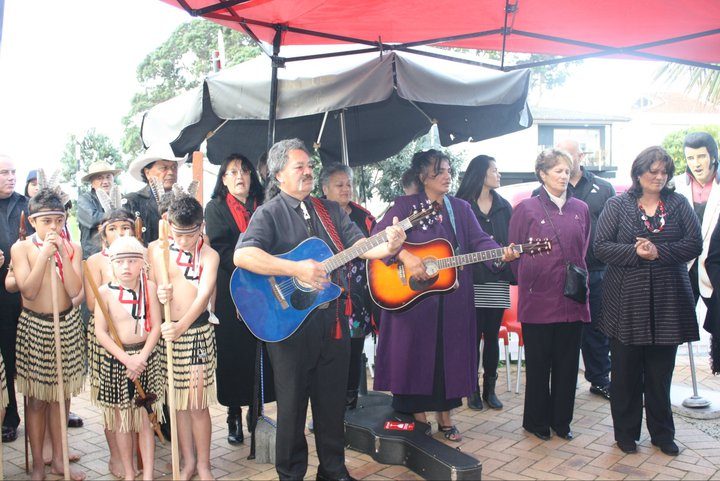
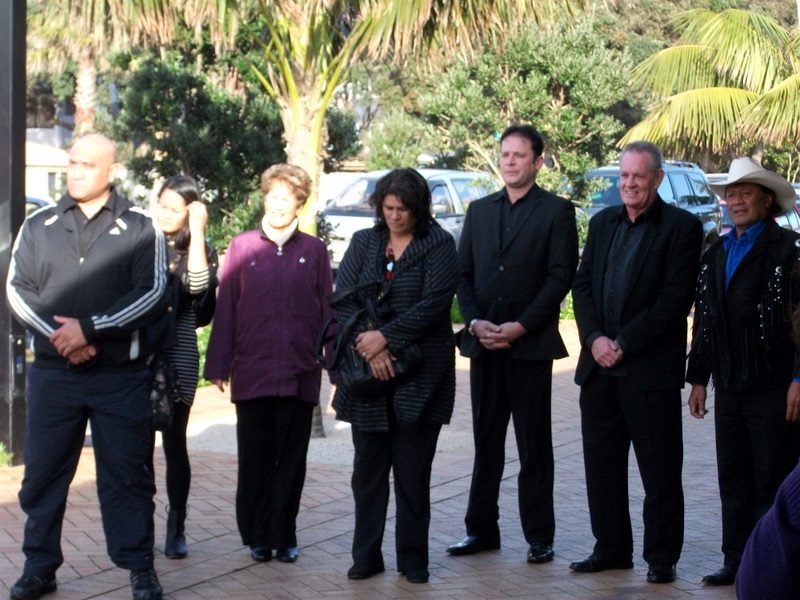
3 July 2011
Discipline
Entertainer
Location
340 Hibiscus Coast Highway, Orewa
Inducted 2011
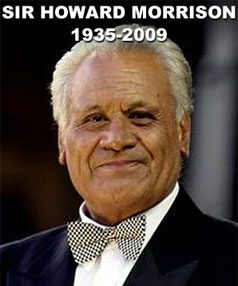
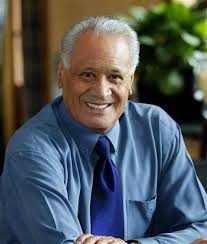
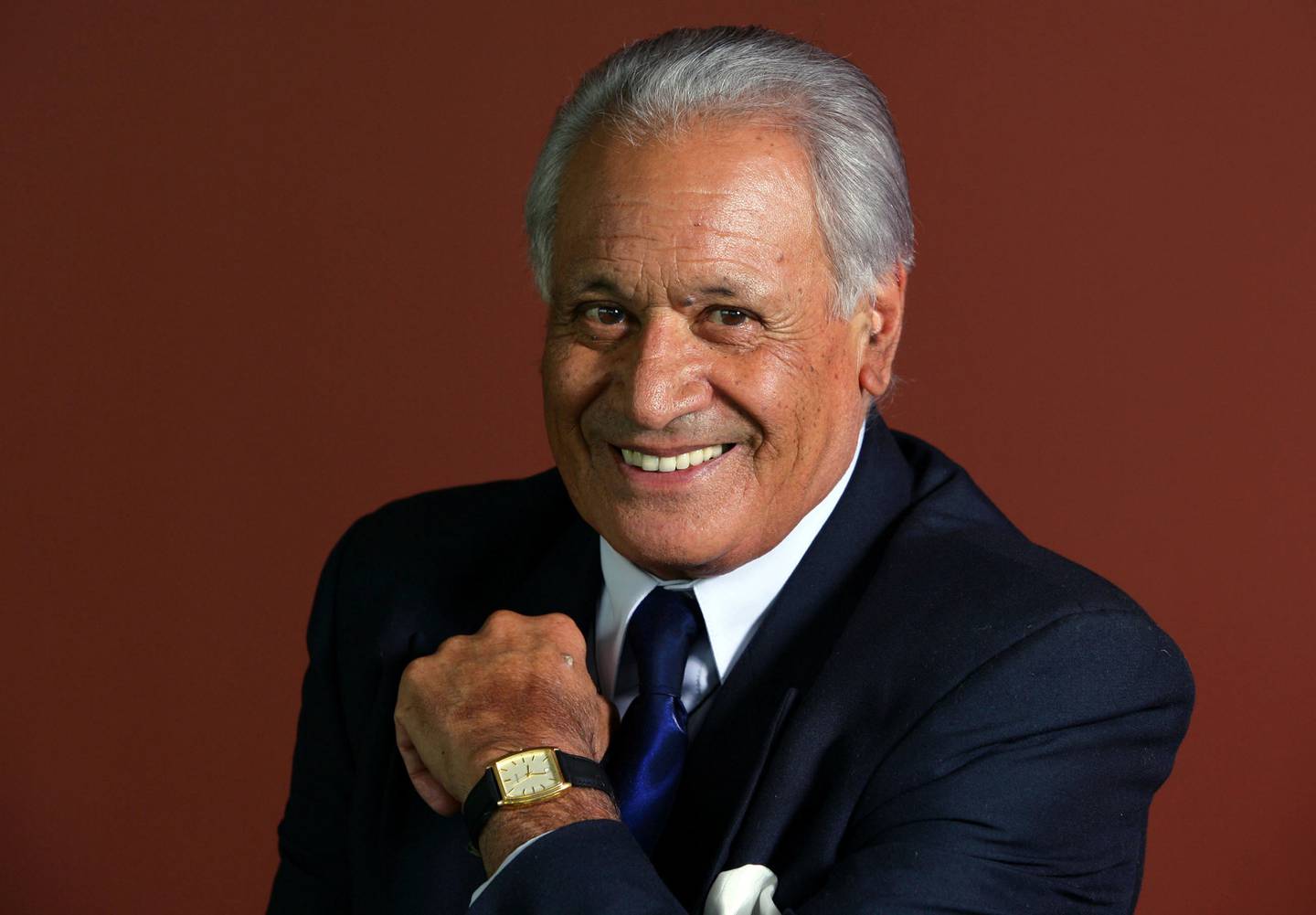
Sir Howard Morrison
KBE, OBE
Sir Howard Morrison KBE, OBE was born on August 18, 1935, in Rotorua, one of six children born to Temuera Morrison, a former Maori All Black, and entertainer Kahurangi Morrison (also known as Gertrude Harete Davidson).
His dream of becoming a professional entertainer was sparked by Maori culture groups and concert parties, it was at Whakatu in 1954 that Morrison replaced Kahu Pineaha in the Clive Trio (with Isabel Cowan and Virginia Whatarau). He also joined Te Awapuni Maori Concert Party. This gave him his first taste of touring the country.
After touring Australia with the Aotearoa Concert Party, he put together a group with his brother Laurie, cousin John, Gary Rangiihu, Chubby Hamiora, and Wi Wharekura to contest and win Rotorua's Christmas carnival talent quest. Morrison, Rangiihu, and Hamiora then added guitarist Gerry Merito to contest a talent contest in Hamilton as the Ohinemutu Quartet, coming third.
In 1956, alongside his brother Laurie, cousin John, and family friend Gerry Merito, Howard formed the Howard Morrison Quartet—a group whose charisma, silky harmonies, and uniquely Kiwi humour captivated audiences across New Zealand and Australia. Their parodies, like the iconic “My Old Man’s an All Black”, not only brought laughter but boldly challenged social issues such as apartheid, using music to speak truth with power and wit.
Under the spotlight of national tours and record-breaking releases, the Quartet flourished. Hits like “Hoki Mai” and their comedic reworkings of international songs helped define a golden era of New Zealand pop culture. But fame came at a cost. Howard turned down international stardom in Las Vegas and London, choosing instead to preserve family and stay rooted in his homeland.
In 1957, Morrison married Rangiwhata Ann Manahi (Lady Kuia) 1957. They had two sons and a daughter. It was also the year he got more serious about his music, forming the Howard Morrison Quartet with his brother, cousin and Gerry Merito. It caught the eye of Auckland entrepreneur Benny Levin, who toured them nationally on a rock and roll package show and as support to American comedian Stan Freberg.
Levin put them in producer Eldred Stebbing's Auckland studio on a single by single deal with Zodiac Records. Their first record, 'There's Only One of You', came out in 1958 on 78 and 45, but it was the second, 'Hoki Mai' coupled with 'Po Kare Kare Ana', which took off in Auckland and Rotorua.
Looking at the success the band had for Zodiac with 'The Battle of the Waikato', Miller suggested it parody another Lonnie Donegan song, 'My Old Man's a Dustman'. 'My Old Man's an All Black', a humorous protest at the exclusion of Maori from the team for the1960 rugby tour of South Africa, was recorded cheaply at a concert at the Pukekohe Town Hall and went on to sell 60,000 copies.
Miller shifted to Australia in 1963, but Morrison was reluctant to follow. The quartet disbanded in 1964 and Morrison went solo, touring the country with American artists Ben E King, Gene McDaniels, and Dee Dee Sharp and with the Miss New Zealand Show. In 1966 he acted in Pacific Film's musical comedy Don't Let It Get You with a young Kiri Te Kanawa as well as the Keil Isles, the Quin Tikis, and Lew Pryme. This performance helped Morrison earn the Entertainer Of The Year award.
When the Quartet parted ways in 1964, Morrison launched a brilliant solo career. He became a regular on the cabaret and concert circuit, starred in the 1966 musical comedy Don't Let It Get You, and was crowned Entertainer of the Year. With performances spanning from Singapore to Honolulu, he enchanted global audiences, even sharing stages with legends like Sammy Davis Jr. and Andy Williams.
In 1968 he released two solo albums on Joe Brown's label, Born Free and Power Game, as well as a duet album with country singer John Hore, Take Ten. He switched to RCA in 1969 for Getting It All Together.
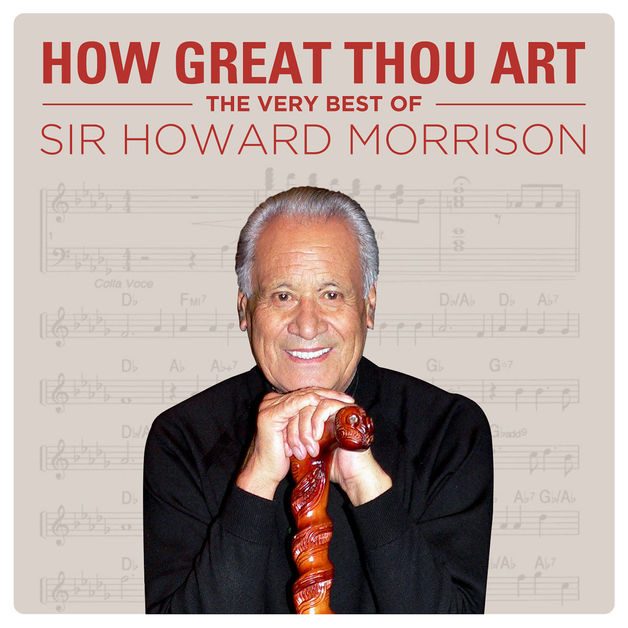
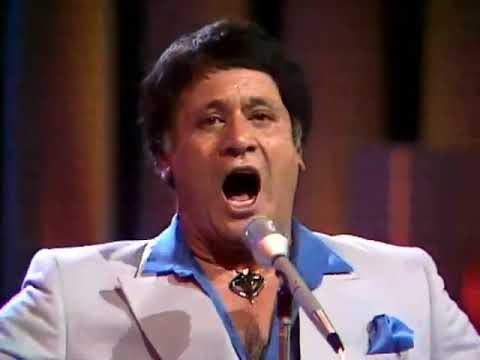
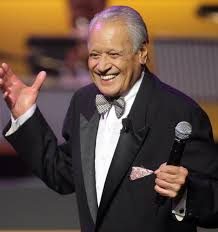
In 1981, a single performance would redefine his legacy. Standing before the Queen during a Royal Command Performance, Morrison sang “Whakaaria Mai (How Great Thou Art).” The emotional depth of his rendition stirred a nation. When it was later released as a single, it spent five weeks at number one. For many, it became his signature - New Zealand’s answer to My Way.
In 1982 Morrison recorded a television special in Hamilton. The spin-off album and single on RCA gave Morrison his greatest solo success, with 'How Great Thou Art' or 'Whakaaria Mai' topping the national charts for five weeks.
In 1990 Morrison was knighted for his services to entertainment, with the investiture ceremony at his home marae of Ohinemutu.
In 2006 he received an honorary doctorate from the University of Waikato.
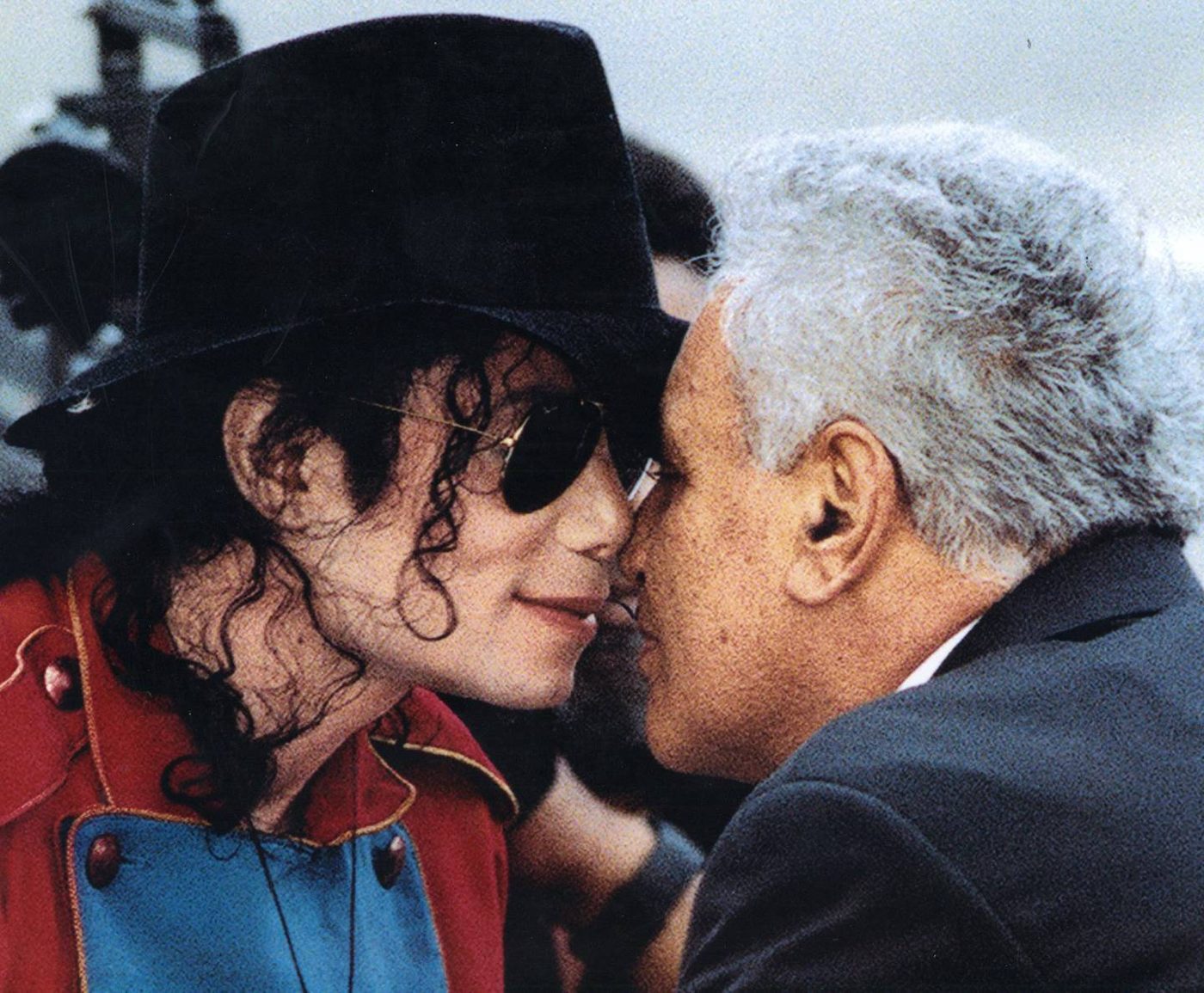
Also known affectionately as “The Sinatra of New Zealand” and “Ol’ Brown Eyes,” Sir Howard Morrison was more than a beloved entertainer - he was a national treasure whose voice echoed the pride, spirit, and soul of Aotearoa.
Yet Sir Howard was far more than a performer - he was a passionate advocate for Māori youth. Using his fame as a platform, he championed education, identity, and self-belief. As a consultant for the Department of Māori Affairs, he inspired countless young people through wānanga, school visits, and the powerful Tu Tangata movement—urging them to “Stand Tall.”
A renaissance followed: albums, national tours, and a new wave of public admiration. He was honoured as Entertainer of the Year (1986), Entertainer of the Decade (1989), and in 1990, fittingly knighted at his marae in Ohinemutu—a deeply emotional moment that brought his extraordinary journey full circle.
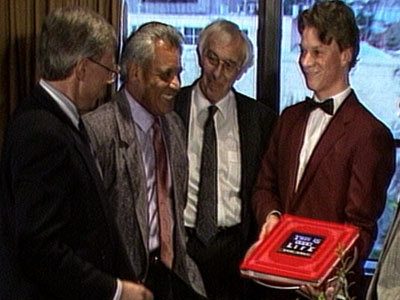
Sir Howard never stopped giving. From cultural diplomacy across the Pacific to his epic Ride for Life—a 45-day horse trek to support Life Education—he poured his energy into causes bigger than himself. Along the way, he helped raise over $1.2 million for youth wellbeing.
To Sir with Love was his last concert in Rotorua at the Convention Centre in 2009.
Sir Howard Morrison died on September 24, 2009, and is buried at Kauae Cemetery in Ngongotaha, Rotorua.
The nation mourned, not just the loss of a performer, but of a pioneer, a mentor, a unifier.
Sir Howard Morrison’s legacy lives on—not just in the songs he sang, but in the lives he changed, the culture he celebrated, and the mana he carried with every note. He gave New Zealand a voice on the world stage—and it rang out with pride, dignity, and love.
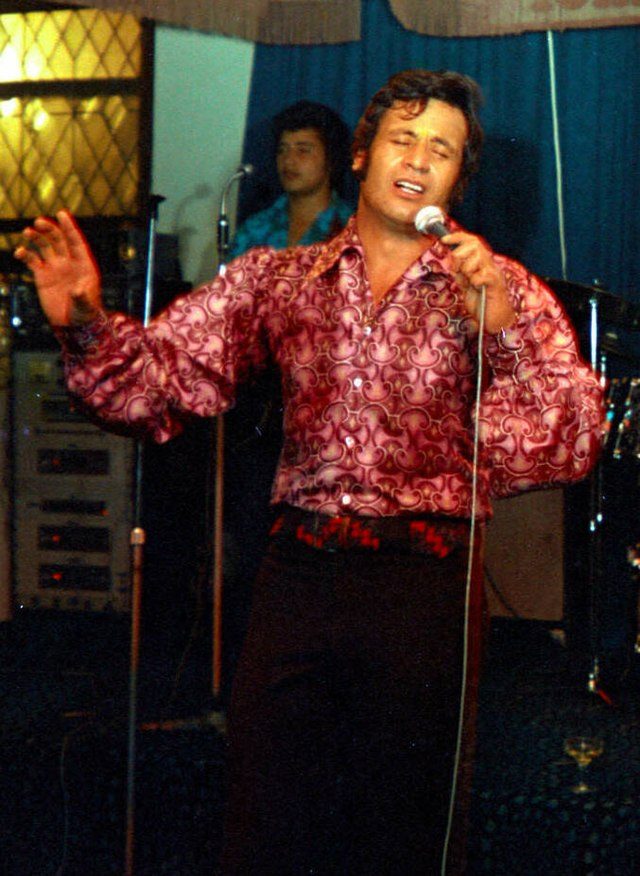
In performance
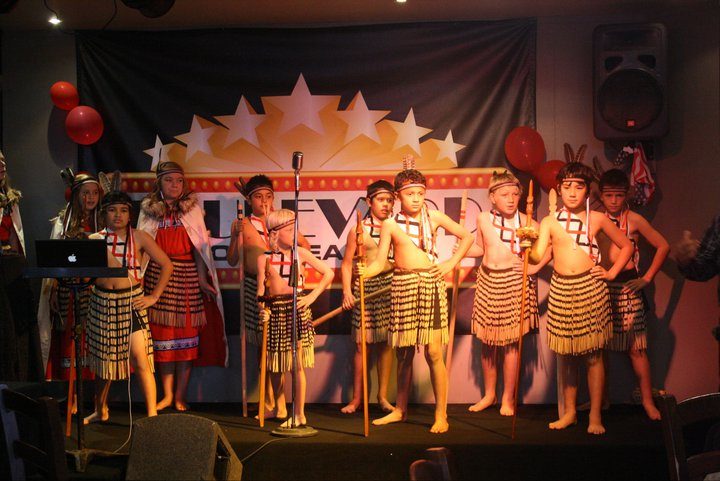
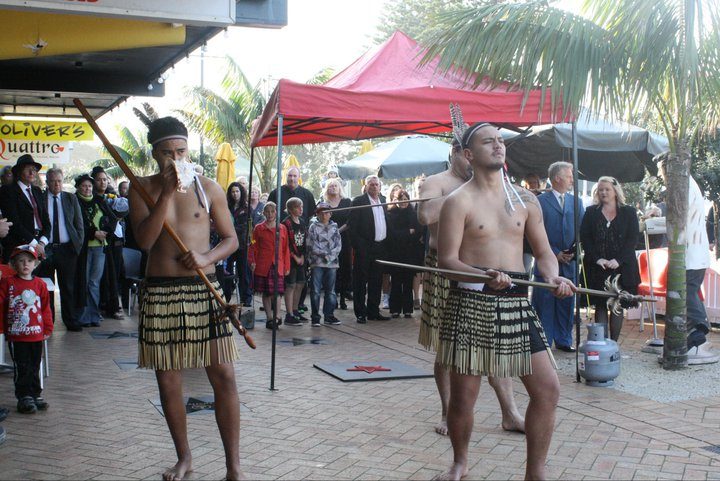
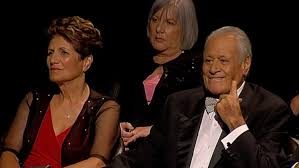
Star unveiling & gallery